
The living room is often the heart of the home—a place where families gather, guests are welcomed, and quiet moments of relaxation happen after a busy day. While stylish décor can certainly enhance the space, true comfort comes from thoughtful design that balances function, warmth, and personality.
Creating a living room you’ll genuinely enjoy spending time in doesn’t require a complete renovation or expensive furniture. Small improvements to your furniture arrangement, lighting, storage, and decorative accents can completely transform the atmosphere, making the room feel more inviting and easier to use every day.
Whether you’re refreshing your current space or decorating a new home, these simple ideas can help you create a living room that’s both beautiful and comfortable.
Start with a Functional Furniture Layout
The way furniture is arranged has a huge impact on how comfortable a living room feels.
Instead of pushing every piece against the walls, create a layout that encourages conversation and allows people to move comfortably through the room. Position sofas and chairs so they naturally face one another, with a coffee table or ottoman serving as a central gathering point.
If your living room also functions as an entertainment space, arrange seating so everyone has a comfortable view of the television without sacrificing opportunities for conversation.
Leave enough walking space between furniture pieces to create an open, welcoming flow throughout the room.
A thoughtful layout makes even smaller living rooms feel more spacious.
Layer Your Lighting
Lighting is one of the easiest ways to change the mood of a room.
Rather than relying solely on a bright ceiling fixture, combine multiple light sources throughout the space. Floor lamps, table lamps, wall sconces, and accent lighting create a softer atmosphere while allowing you to adjust the brightness based on the time of day or activity.
Warm lighting works especially well for evenings, creating a cozy environment for reading, relaxing, or spending time with family.
During the day, maximize natural light by opening curtains or blinds to brighten the room and make it feel larger.
Layered lighting adds warmth and depth that overhead lighting alone cannot provide.
Choose Comfortable Seating
A comfortable living room starts with seating that invites people to stay awhile.
Choose sofas and chairs that offer both support and comfort, and arrange them in a way that encourages relaxation. If space allows, add an accent chair or cozy reading nook to create additional seating options.
An ottoman can serve multiple purposes by providing a place to rest your feet, extra seating for guests, or even hidden storage.
Comfort should always take priority over trends when selecting living room furniture.
A room designed for everyday living will naturally feel more welcoming.
Add Texture for Warmth
Texture plays an important role in creating a cozy atmosphere.
Layer soft throw blankets, decorative pillows, area rugs, woven baskets, and fabric curtains to make the room feel inviting and comfortable.
Mixing different materials—such as wood, cotton, linen, leather, or knit fabrics—adds visual interest without overwhelming the space.
These small details help soften the room and create a sense of warmth throughout every season.
Comfort often comes from the layers rather than the furniture itself.
Keep Clutter Under Control
Even the most beautifully decorated living room can feel stressful if it’s filled with clutter.
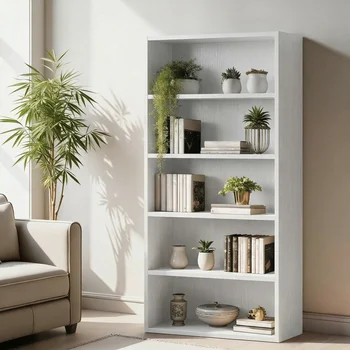
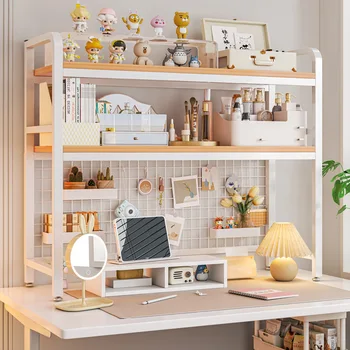
Use practical storage solutions to keep everyday items organized and out of sight. Decorative baskets, storage ottomans, media cabinets, and shelving units can help organize blankets, books, games, electronics, and remote controls.
Regularly returning items to their designated places helps the room remain tidy without requiring major cleaning sessions.
An organized living room feels calmer and more enjoyable to spend time in.
Simple storage solutions make daily life easier.
Add Personal Decorative Touches
The most inviting living rooms reflect the personalities of the people who live there.
Display artwork, framed photographs, favorite books, travel souvenirs, or meaningful decorative objects that tell your story.
Rather than filling every surface with decorations, select a few pieces that create visual interest while maintaining an open, uncluttered feel.
Plants, candles, decorative trays, and carefully chosen accessories can add warmth without overwhelming the room.
Personal touches transform a house into a home.
Create Balance with Color
Color has a powerful influence on how a room feels.
Neutral tones provide a timeless foundation, while soft greens, warm earth tones, calming blues, or muted accent colors introduce personality without overpowering the space.
Adding color through pillows, throws, rugs, artwork, or decorative accessories allows you to refresh the room easily without making permanent changes.
A balanced color palette helps create a peaceful environment that feels both stylish and relaxing.
Consistency throughout the room creates visual harmony.
Design Spaces for Everyday Living
Your living room should support the way you actually use it.
If your family enjoys movie nights, create a comfortable entertainment area. If reading is your favorite way to unwind, add a cozy chair with good lighting and a nearby bookshelf.
Families with children may appreciate flexible storage for toys and games, while those who entertain frequently might prioritize additional seating and open conversation areas.
Designing around your lifestyle makes the room more functional and enjoyable.
The best living rooms are built around everyday life, not just special occasions.
Bring Nature Indoors
Natural elements can instantly make a living room feel calmer and more welcoming.
Houseplants, fresh flowers, wood furniture, woven baskets, stone accents, or natural fiber rugs introduce warmth while creating a stronger connection to the outdoors.
Large windows and natural light further enhance this feeling, making the room feel bright and refreshing.
Even a few simple natural touches can have a noticeable impact on the atmosphere.
Nature-inspired décor remains timeless and versatile.
Refresh the Room with Small Updates
You don’t need to replace all of your furniture to make your living room feel new.
Changing pillow covers, adding a seasonal throw blanket, rearranging decorative accessories, or introducing a new area rug can give the space an updated look without requiring a major investment.
Refreshing your décor throughout the year helps keep the room feeling inviting while allowing your personal style to evolve over time.
Small changes often create the biggest transformation.
Final Thoughts
Creating a comfortable living room is about much more than choosing attractive furniture. Thoughtful furniture placement, layered lighting, organized storage, soft textures, meaningful décor, and practical layouts all work together to create a space you’ll genuinely enjoy spending time in.
The most welcoming living rooms are designed around comfort, functionality, and the people who use them every day. By making a few intentional updates, you can transform your living room into a relaxing retreat that encourages connection, comfort, and everyday enjoyment.
A comfortable home isn’t built through perfection—it’s created through thoughtful details that make every day feel a little more inviting.





0 Comments