
Keeping a home clean and organized can sometimes feel like a never-ending task, especially with busy schedules, work, family responsibilities, and everyday life getting in the way. The good news is that maintaining a tidy home doesn’t require hours of cleaning every day or an elaborate organization system. In many cases, it’s the small, consistent habits that make the biggest difference.
Instead of waiting until clutter builds up or setting aside an entire weekend for cleaning, developing a few simple daily routines can help your home stay organized with far less effort. These habits reduce stress, save time, and create a living space that’s more comfortable and enjoyable for everyone.
Here are some everyday habits that can help keep your home clean, organized, and easy to maintain.
Make the Bed Each Morning
One of the simplest habits you can develop is making your bed as soon as you get up.
It only takes a few minutes, but it immediately makes your bedroom look more organized and creates a sense of accomplishment early in the day.
A neatly made bed also encourages the rest of the room to stay tidy, making it less tempting to leave clothes or other items lying around.
Small routines like this help build momentum for the rest of your daily tasks.
Put Things Away Right After Using Them
One of the biggest causes of clutter is leaving items out with the intention of putting them away later.
Instead, develop the habit of returning items to their designated place immediately after using them. Whether it’s shoes by the door, books on a shelf, kitchen utensils in a drawer, or remote controls on a table, putting things away right away prevents clutter from piling up.
When everyone in the household follows this habit, keeping the home organized becomes much easier.
Everything should have a home—and returning it there becomes second nature over time.
Spend 10 to 15 Minutes Tidying Up
You don’t need to clean your entire home every day.
Setting aside just 10 to 15 minutes each day to straighten up can prevent messes from becoming overwhelming. Use this time to fold blankets, organize countertops, clear tables, return misplaced items, or quickly vacuum high-traffic areas.
These short cleaning sessions are easy to fit into most schedules and often eliminate the need for lengthy cleaning days later.
Consistency is more effective than occasional marathon cleaning sessions.
Keep Kitchen Counters Clear
The kitchen is one of the busiest rooms in any home, making it one of the easiest places for clutter to collect.
After preparing meals, wipe down countertops and return small appliances, utensils, and ingredients to their proper places.
Keeping counters mostly clear creates more workspace, makes the kitchen feel cleaner, and makes everyday meal preparation much more enjoyable.
A few minutes of cleanup after each meal can save a lot of time later.
An organized kitchen often encourages better organization throughout the home.
Sort Mail and Paperwork Immediately
Paper clutter can accumulate surprisingly fast.
Instead of allowing mail, receipts, and documents to pile up on counters or tables, sort them as soon as they enter your home.
Recycle unwanted advertisements, file important documents, and respond to time-sensitive paperwork promptly.
Creating a designated location for incoming mail helps prevent paper from spreading throughout the house.
A simple filing system saves both time and frustration.
Do Small Loads of Laundry Regularly
Laundry becomes much more manageable when it’s done consistently.
Rather than waiting until baskets overflow, try completing smaller loads throughout the week.
Putting clean clothes away shortly after they’re dry also helps prevent piles from building up on chairs, beds, or laundry room surfaces.
This habit keeps clothing organized while making laundry feel less overwhelming.
Small routines make household chores easier to manage.
Keep Entryways Organized
The entryway is often the first area people see when entering a home.
Create a designated place for shoes, coats, backpacks, keys, and reusable shopping bags to prevent clutter from spreading into other rooms.
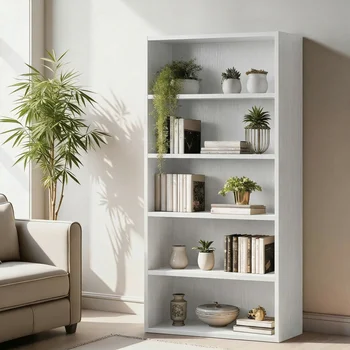
Hooks, storage benches, baskets, and small shelving units can help keep everyday essentials organized and easy to find.
A tidy entryway also makes leaving the house quicker and less stressful.
Good organization starts at the front door.
Declutter a Little at a Time
Decluttering doesn’t have to happen all at once.
Choose one drawer, shelf, cabinet, or closet each week and remove items you no longer use or need.
Regularly donating or recycling unused belongings prevents clutter from slowly taking over your home.
As your possessions become easier to manage, organizing the remaining items becomes much simpler.
Small improvements made consistently create lasting results.
Clean as You Go
Cleaning while completing everyday tasks saves time and keeps messes from becoming larger.
Wash dishes while cooking, wipe bathroom counters after getting ready, fold blankets before leaving the living room, and clean up spills immediately.
Addressing small messes as they happen prevents them from becoming larger cleaning projects later.
These simple habits quickly become part of your normal routine.
A little effort throughout the day makes a noticeable difference.
Create Organization Systems That Fit Your Lifestyle
The best organization systems are the ones you’ll actually use.
Store frequently used items where they’re most convenient, label storage containers when helpful, and choose storage solutions that match your household’s daily routines.
If something consistently ends up out of place, consider whether its storage location should be adjusted.
Organization should make life easier—not more complicated.
Flexible systems are often the most successful.
Final Thoughts
Keeping your home clean and organized doesn’t require perfection or hours of daily cleaning. Small habits like making the bed, putting items away immediately, spending a few minutes tidying each day, organizing high-traffic areas, and cleaning as you go can make maintaining your home feel much more manageable.
Over time, these routines become second nature, helping reduce clutter, simplify household tasks, and create a home that’s both functional and welcoming.
The goal isn’t to have a perfectly spotless house every day—it’s to build habits that make your home a place where you can relax, enjoy your surroundings, and spend less time worrying about cleaning.


0 Comments